11 Jun 2026
Feature Purchases Intersecting with Compliance Frameworks to Alter Progressive Reward Mechanisms in Mobile Gaming
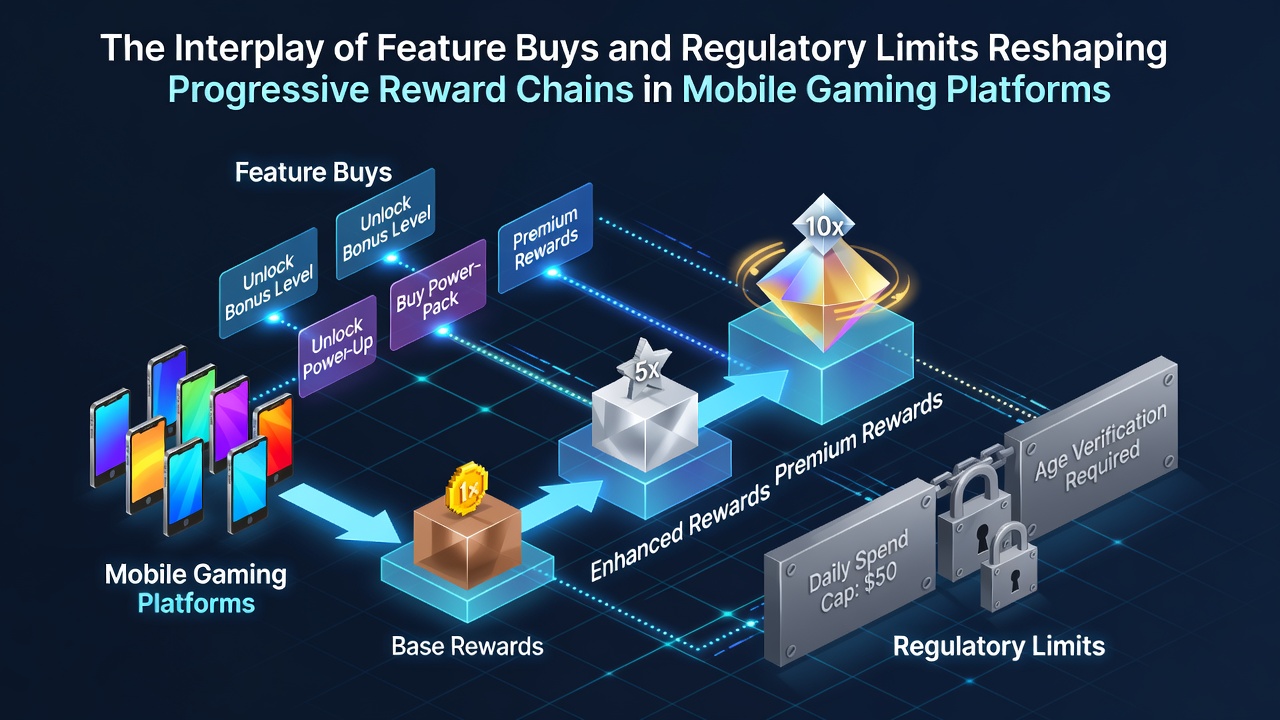
Feature purchases have become a central element in mobile gaming platforms where players acquire direct access to bonus rounds or enhanced reel configurations and regulatory limits imposed by various jurisdictions now shape how these mechanics integrate with progressive reward chains that accumulate value across sessions or player networks. Data from industry tracking services shows that mobile slot titles incorporating buy-in features experienced a measurable uptick in engagement metrics during the first half of 2026 while compliance requirements in multiple regions began mandating clearer disclosure of cost structures and probability outcomes associated with those purchases.
Mechanics of Feature Buys in Contemporary Mobile Platforms
Developers design feature buy options to let users bypass standard base game progression and jump straight into high-volatility sequences that often feed into larger reward pools and these options operate through fixed-price entries or tiered packages that scale with the size of the potential payout chain. Platform operators track these interactions through backend systems that log each transaction against session data and progressive meters which continue to build from contributions across thousands of active mobile users worldwide. In practice one study released by a European research consortium documented that sessions utilizing feature buys contributed approximately 18 percent more to shared jackpot pools compared with standard play patterns recorded in the same titles during 2025.
Regulatory Boundaries Across Key Markets
Authorities in several regions have introduced or refined rules governing the visibility and accessibility of feature purchases with emphasis on preventing excessive spend velocity and ensuring reward chains remain transparent. The Malta Gaming Authority published updated technical standards in early 2026 requiring operators to display the theoretical return-to-player percentage both before and after a feature buy is activated while similar guidance from Australian state regulators stressed the need for spend-limit tools that apply uniformly to both regular spins and purchased bonuses. Observers note that these measures emerged partly because mobile interfaces allow rapid successive purchases and regulators sought to maintain player protection standards without eliminating the mechanic entirely.
Impact on Progressive Reward Chains
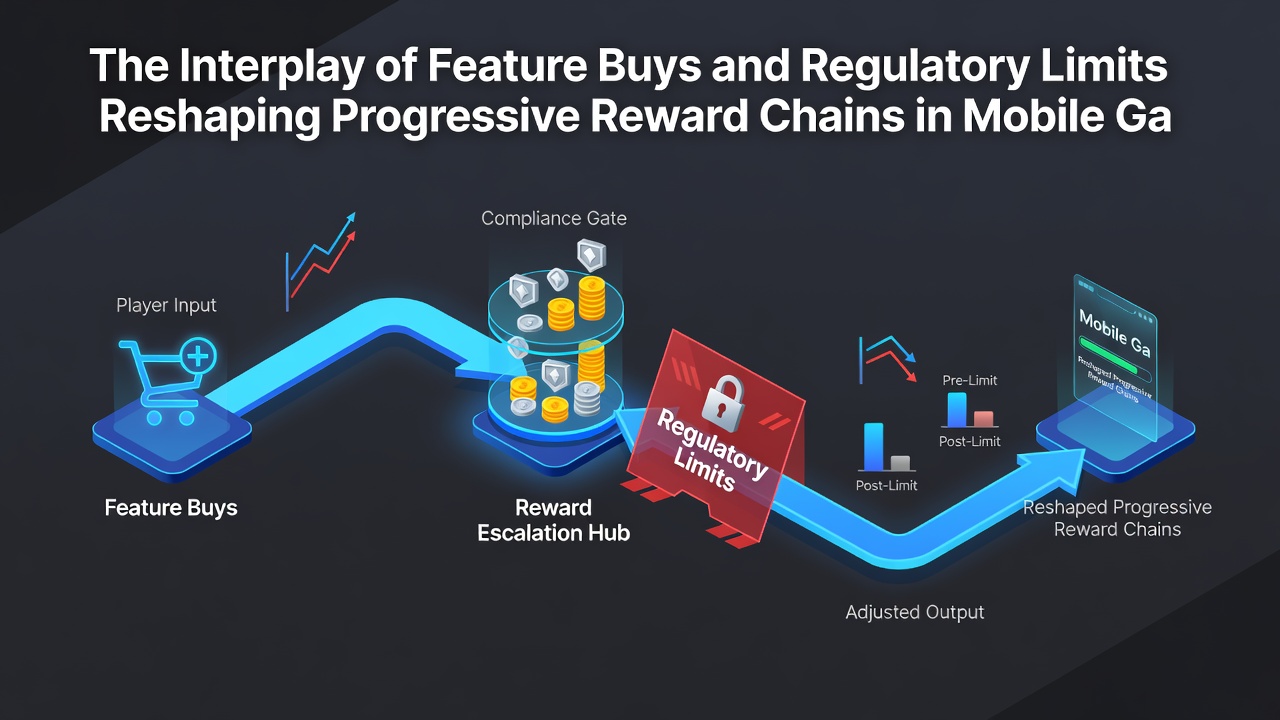
Progressive systems that link multiple games or player cohorts now adjust contribution rates when feature buys occur because some frameworks treat the purchased entry as a separate betting event with its own multiplier effect on teh pool. This adjustment prevents disproportionate acceleration of jackpots from high-volume buy activity while still allowing the chain to grow steadily from the broader player base. In June 2026 several platform providers implemented revised algorithms that recalculate progressive increments in real time based on whether a round originated from a feature purchase or standard play and these changes were rolled out across titles that had previously seen concentrated buy usage during peak evening hours in European time zones.
Platform Adaptations and Technical Responses
Mobile gaming providers responded by embedding configurable modules that let operators toggle feature buy availability according to the regulatory profile of each user’s location and these modules also feed data into reward chain calculators so that progressive values reflect only compliant contributions. One case examined by analysts at a North American gaming technology firm revealed that titles equipped wth such adaptive systems maintained stable jackpot growth rates even after new spend caps took effect in two Canadian provinces. The same report indicated that average session duration remained consistent because players who previously relied on frequent buys shifted toward extended base game sequences that still fed the progressive meters at standard rates.
Player Behavior Patterns and Data Trends
Analytics platforms recording anonymized mobile activity have identified shifts in how users approach reward chains once feature buys are subject to additional friction such as mandatory cooling-off timers or confirmation screens. Figures released by the American Gaming Association in a 2026 market overview showed that the proportion of progressive contributions coming from feature purchases declined by roughly 7 percent in jurisdictions with the newest disclosure rules while overall pool sizes continued to rise because of increased total player volume. Those who have examined the datasets point out that mobile users often combine smaller regular bets with occasional buys in sequences that still allow steady accumulation toward the next threshold in the reward ladder.
Future Adjustments in Reward System Design
Engineers working on next-generation mobile frameworks are exploring layered contribution models that differentiate between purchased and organic entries while preserving the excitement of shared progressive growth. Discussions at industry forums held in spring 2026 highlighted prototypes that allocate a portion of each feature buy fee directly into a separate reserve pool which releases into the main progressive chain only after regulatory-approved intervals. Such approaches aim to balance the commercial appeal of instant bonus access with the structural integrity of long-term reward systems that span entire player communities across devices and regions.
Conclusion
The intersection of feature purchases and regulatory constraints continues to drive refinements in how progressive reward chains function within mobile gaming environments and platform operators along with developers maintain ongoing calibration to align commercial features with compliance expectations across diverse markets. Evidence from multiple regulatory bodies and research groups demonstrates that measured adjustments preserve both player engagement and the stability of shared reward mechanisms without eliminating the option for accelerated bonus entry. As technical standards evolve further integration between purchase mechanics and progressive calculations will likely remain a focal point for the sector through the remainder of 2026 and beyond.