18 Jun 2026
From Wallet to Wheel: Payment Methods Powering Progressive Feature Builds in Modern Slot Interfaces
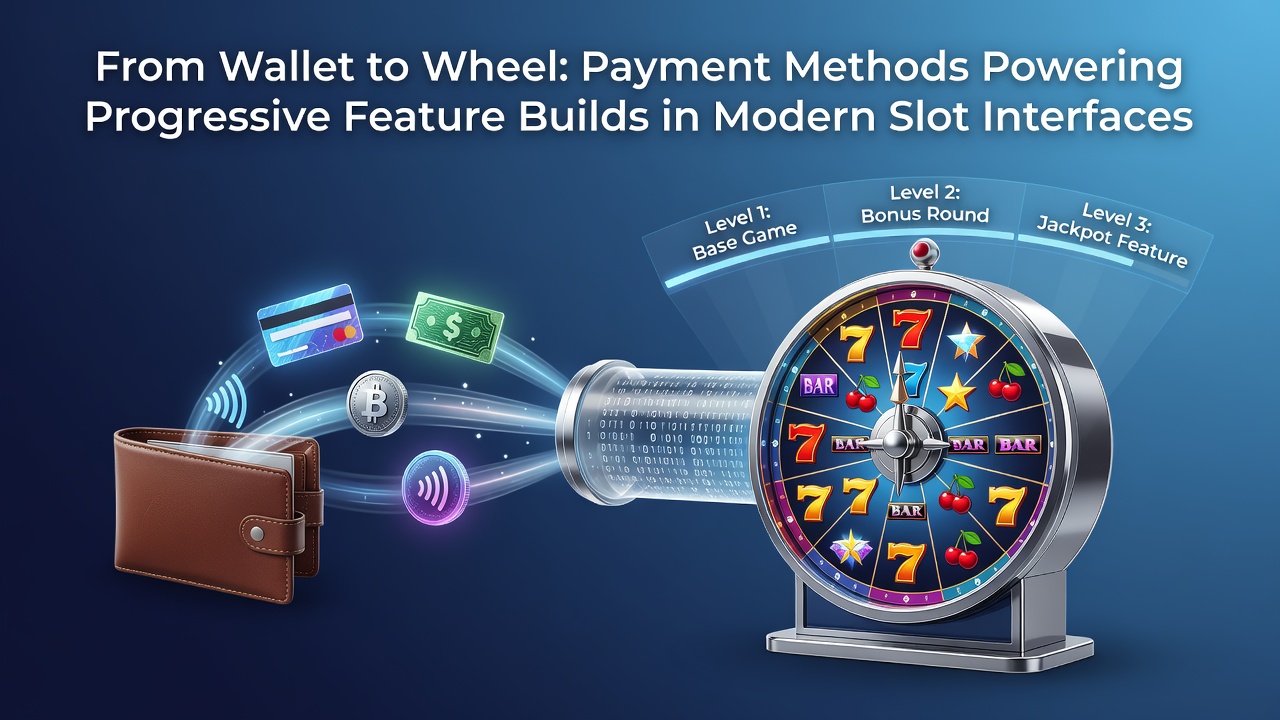
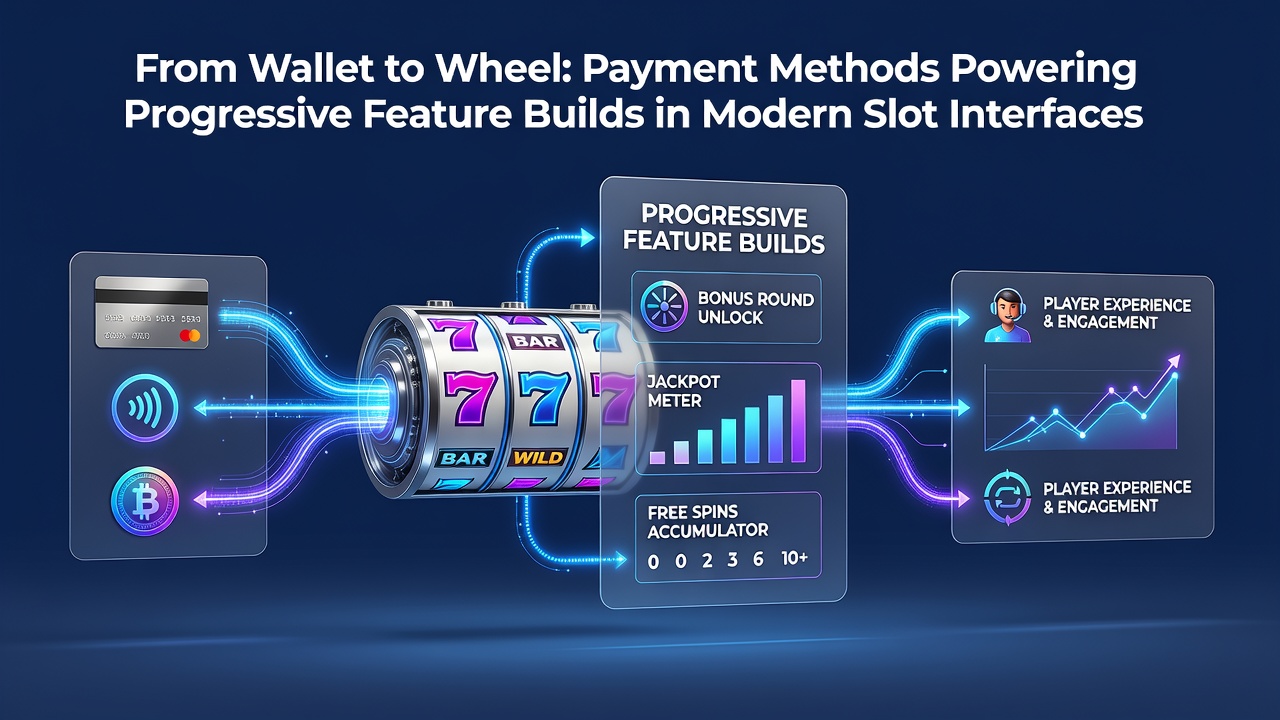
Payment systems now sit at the core of how modern slot interfaces construct progressive features, linking direct transfers from user accounts to real-time meter growth and layered bonus mechanics. Data from multiple gaming jurisdictions shows that seamless transaction flows allow reels to accumulate value across sessions without manual intervention, while developers embed triggers that respond to deposit patterns and balance thresholds. Observers note that these connections have grown more sophisticated since early mobile adaptations, turning simple spins into sustained progress toward multipliers and jackpot tiers.
Transaction Speed and Feature Accumulation
Electronic wallets enable near-instant crediting that feeds directly into progressive counters, allowing players to maintain momentum across consecutive plays. Figures released by the Nevada Gaming Control Board indicate that venues adopting faster settlement methods recorded measurable increases in average session length during the first half of 2026, with meters advancing more frequently when funds moved without delay. Researchers tracking interface logs found that payment confirmations under three seconds correlated with higher activation rates for secondary features such as expanding wilds and chained free-spin sequences.
Bank transfers and card rails still operate in many markets, yet their longer processing windows create gaps that interrupt feature building. In contrast, digital wallet APIs push confirmation signals straight to game servers, updating both player credit and shared progressive pools simultaneously. This synchronization supports mechanics where partial contributions from each spin scale dynamically based on the incoming payment size, a pattern documented in technical specifications shared by several major platform providers.
Cryptocurrency Options and Layered Bonus Structures
Blockchain-based payments have entered slot ecosystems through dedicated wallet connectors that bypass traditional banking delays. Reports compiled by the American Gaming Association highlight jurisdictions where licensed operators added crypto rails in 2025, resulting in new bonus layers that trigger when transaction hashes confirm within defined time windows. These layers often stack with existing progressive systems, letting a single deposit activate both a local multiplier ladder and a contribution to a network-wide jackpot.
Smart-contract logic embedded in some interfaces automatically allocates portions of crypto deposits to feature pools, creating self-sustaining escalation without additional player input. Data collected through June 2026 shows variance in adoption rates across regions, with certain European markets recording faster integration than others due to differing licensing frameworks. The result appears in reel displays that adjust jackpot values in real time as each verified transfer lands.
Regulatory Frameworks Shaping Payment Integration
Licensing bodies outside the United Kingdom continue to refine rules around instant funding and responsible play safeguards. The Victorian Commission for Gambling and Liquor Regulation in Australia, for instance, requires clear separation between deposit actions and game continuation prompts, ensuring players retain control while progressive builds remain active. Similar guidelines from the Alcohol and Gaming Commission of Ontario emphasize audit trails that link each payment event to feature state changes, allowing regulators to verify fairness across accumulating meters.
These requirements have prompted developers to design modular payment gateways that log every interaction without slowing the interface. Technical audits conducted in early 2026 confirmed that compliant systems maintain sub-second response times even when multiple regulatory checks run in parallel, preserving the flow from wallet to wheel while satisfying oversight standards.
Interface Design Patterns Across Platforms
Modern slot clients now embed payment status indicators directly beside progressive displays, giving users immediate visibility into how their chosen method influences feature progression. Studies published through the UNLV International Gaming Institute describe color-coded status bars and micro-animations that reflect transaction success, helping maintain engagement without drawing attention away from the reels. Such visual cues appear consistently across both desktop and mobile deployments, adapting layout based on screen size while preserving the same underlying data connections.
Case examples from operators in regulated North American markets show that players using stored wallet preferences experience fewer interruptions when chasing multi-level bonuses. The same reports note that fallback options for slower methods remain available yet route users through additional confirmation steps, a design choice that keeps progressive meters advancing primarily through faster channels.
Conclusion
Payment infrastructure continues to determine how progressive features evolve within contemporary slot interfaces, with wallet integrations, crypto rails, and regulatory-compliant gateways all contributing measurable effects on accumulation speed and bonus layering. Evidence gathered through mid-2026 demonstrates that transaction velocity directly influences meter growth rates and feature activation frequency across multiple jurisdictions. As platforms refine these connections, the path from initial deposit to completed progressive build grows more direct while remaining subject to ongoing technical and oversight standards.