18 Jul 2026
Integrating Funding Pathways with Tiered Multiplier Mechanisms in Portable Reel Platforms

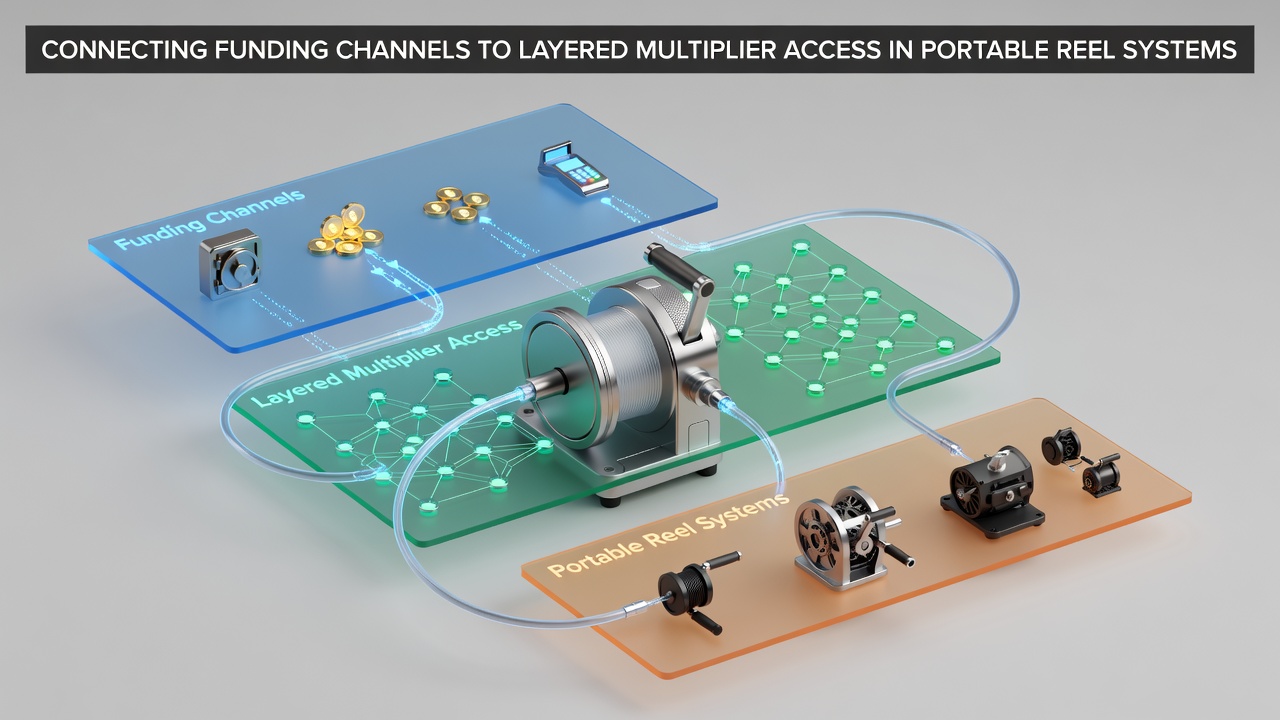
Portable reel systems have evolved to incorporate direct connections between deposit methods and multiplier structures, allowing users to access escalating bonus layers through verified payment flows. These systems operate on mobile devices where funding channels such as digital wallets, bank transfers, and card networks link to backend servers that calculate and apply multiplier tiers based on deposit volume, frequency, and verification status. Data from industry reports indicates that such integrations reduce latency between transaction confirmation and bonus activation, creating seamless progression through multiplier levels in real time.
Mechanics of Payment Channel Integration
Developers design application programming interfaces that transmit transaction details from funding providers directly to the reel engine, where algorithms assess eligibility for layered multipliers. A single deposit might unlock an initial 2x layer, while cumulative activity across sessions escalates access to 5x or higher tiers without requiring separate bonus codes. Observers note that this architecture relies on secure tokenization to maintain compliance across jurisdictions, ensuring each funding source maps to predefined multiplier rules stored in the platform database. In practice, one developer who implemented these pathways reported streamlined user progression that aligned deposit events with immediate reel adjustments.
Layered Multiplier Structures in Mobile Environments
Layered multipliers function as progressive stages that activate according to funding patterns detected by the system. The first layer typically engages upon initial verified deposit, while subsequent layers require sustained channel activity or higher transaction thresholds. Research from gaming technology studies shows these structures increase session duration because users receive visual and auditory cues as they advance through tiers during portable play. Portable reel platforms often display multiplier status in overlay menus that update dynamically as funding channels process new inputs, allowing immediate visibility into available bonus scaling.
Technical Implementation Examples
One case involved a reel application that connected cryptocurrency funding channels to a five-tier multiplier ladder, where each confirmed transfer incremented access automatically. The system used real-time webhooks to notify the mobile client of layer unlocks, resulting in uninterrupted gameplay flow. Another implementation paired traditional card networks with loyalty-linked multipliers, so recurring deposits from the same source triggered compounding effects that carried across multiple reel sessions. Figures from platform analytics reveal that these connections produced measurable increases in average transaction value without altering core reel mathematics.
Market Developments Observed in Mid-2026
By July 2026, portable reel platforms had expanded multiplier access frameworks to accommodate emerging funding options such as instant bank verification services. Industry data compiled by the American Gaming Association indicates continued growth in mobile transaction volumes that correlate with expanded tier availability. Those who track platform updates note that providers introduced regional funding preferences, mapping local payment methods to customized multiplier progressions suited to different markets. Academic papers on digital gaming interfaces have examined how these linkages affect user navigation patterns, finding consistent improvements in transaction-to-bonus conversion rates across tested applications.
Additional integrations emerged around contactless funding methods, where near-field communication triggers allowed portable devices to initiate deposits that fed directly into active multiplier layers. The European Gaming and Betting Association has documented similar trends in cross-border deployments, where standardized APIs enabled consistent layer access regardless of the originating payment provider. Observers point out that security protocols, including multi-factor authentication tied to funding channels, prevented unauthorized escalation through the multiplier tiers.
Conclusion
Connections between funding channels and layered multipliers in portable reel systems continue to rely on precise API mappings and real-time data exchange. These frameworks support structured progression through bonus tiers while maintaining transaction integrity across mobile environments. As platforms refine these linkages, available documentation from regulatory bodies and research institutions provides ongoing reference points for implementation standards and performance metrics.