16 Jun 2026
Navigating the Shift from Practice Reels to Real Stakes in Hacksaw Gaming's Mobile Slot Ecosystem
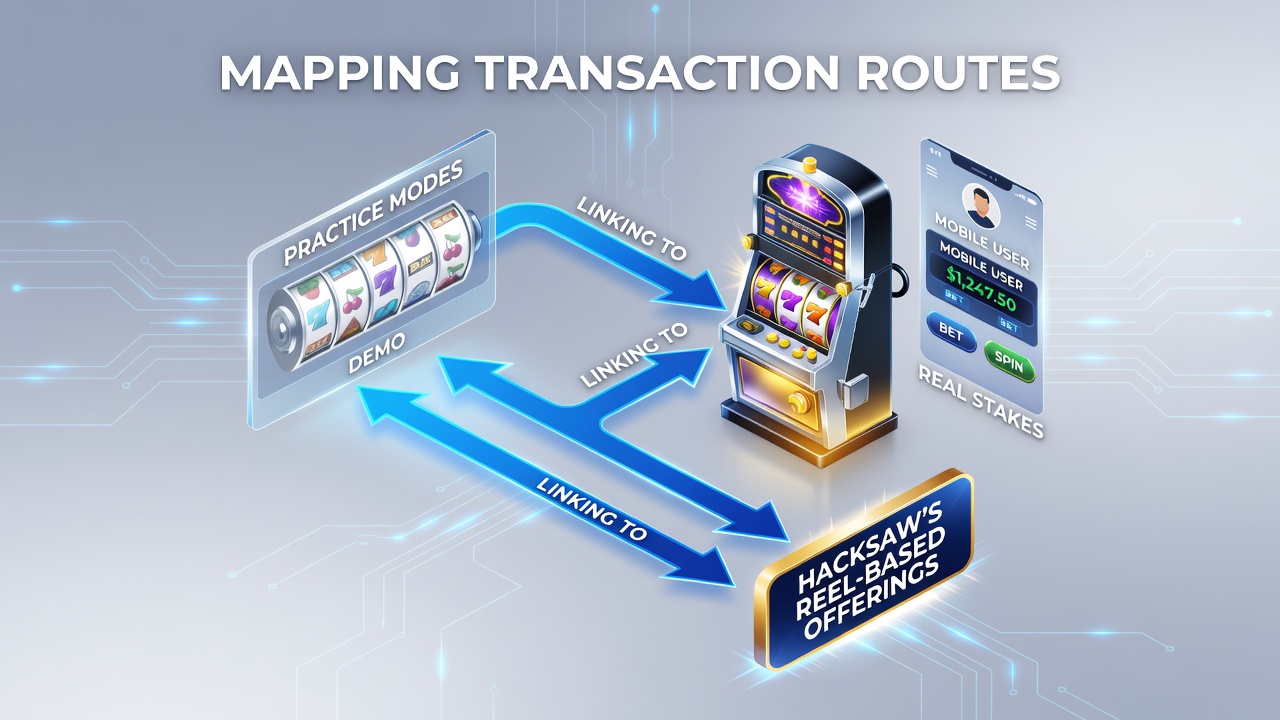
Transaction pathways in Hacksaw Gaming's reel-based mobile titles connect practice modes directly to paid play through structured deposit sequences, balance transfers, and verification steps that operators manage across multiple platforms. Data from industry monitoring shows these routes rely on standardized APIs that handle currency conversion, session handoffs, and compliance checks in real time.
Core Elements of Practice-to-Real Transitions
Practice modes in Hacksaw titles operate on separate servers that mirror the mathematics of live reels yet isolate all outcomes from financial ledgers, allowing users to test volatility patterns and feature triggers without risking funds. When a player elects to switch, the system initiates a transaction route that pulls verified payment details, applies any accumulated loyalty credits, and updates the account ledger within seconds. Observers note that these handoffs occur through encrypted channels that log each step for audit trails required by licensing jurisdictions.
Mobile interfaces streamline the process by embedding deposit prompts inside the game client itself, where users select from pre-approved methods such as digital wallets or bank transfers that already carry verified status. This integration reduces friction points that once required users to exit the app and navigate external portals.
Technical Mapping of Payment Flows
Each transition follows a defined sequence: session token generation, risk assessment scoring, payment gateway routing, and final balance reconciliation. Research indicates that Hacksaw's mobile offerings use adaptive routing that selects the lowest-latency path based on the user's geographic region and chosen funding source. In June 2026, platform updates introduced additional fallback routes that maintain continuity during peak traffic periods without interrupting active reel spins.
Figures from transaction analytics providers reveal average completion times for these routes hover between four and seven seconds on 5G connections, while older networks may extend the window by an additional three seconds. The system flags any mismatch in device fingerprint or IP location for secondary review before funds reach the gaming wallet.
Mobile-Specific Considerations in Route Design
Touch-based navigation influences how users interact with deposit flows, prompting designers to place confirmation buttons within thumb-reach zones and to surface transaction summaries in expandable panels rather than full-screen interruptions. Data shows that players who complete practice sessions longer than fifteen minutes convert to real stakes at higher rates, suggesting that extended demo exposure strengthens familiarity with the transaction interface.
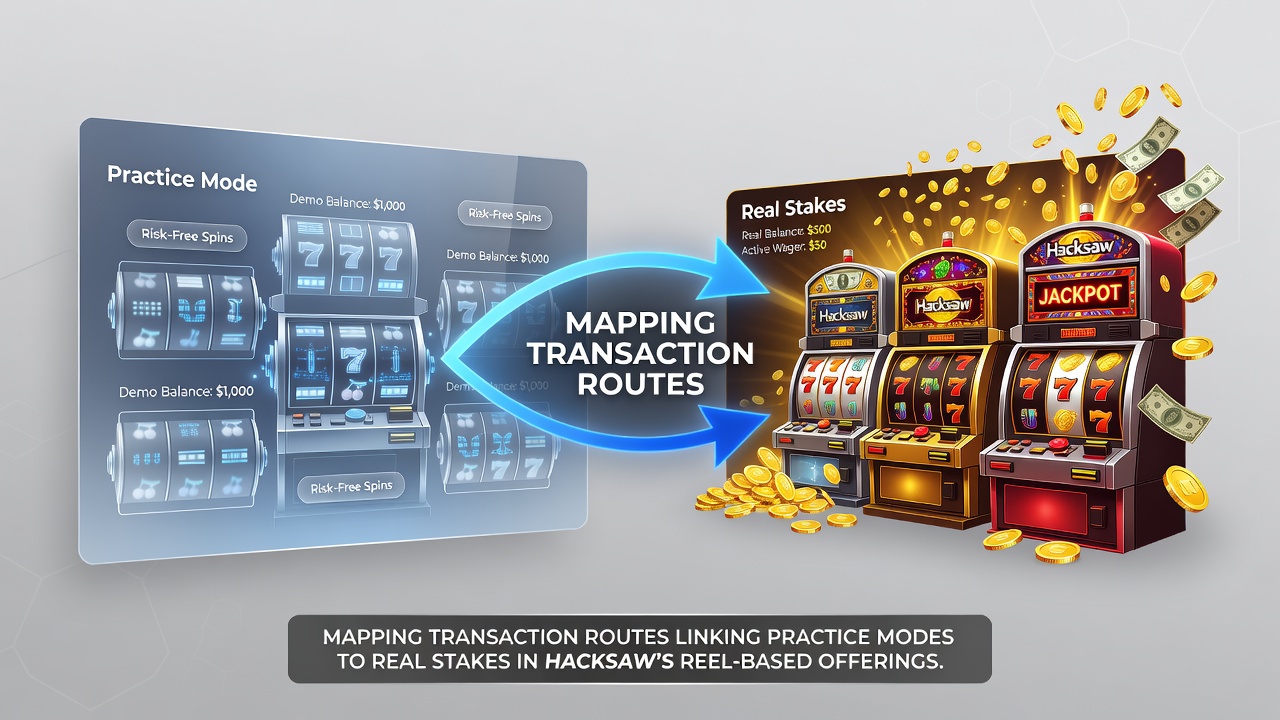
Push notifications triggered after notable demo wins guide users toward the deposit screen, where pre-filled amount selectors reflect recent activity patterns. This approach aligns with findings from a University of Nevada study on digital engagement patterns, which tracked how contextual prompts affect conversion timing across mobile gaming verticals.
Security Layers and Verification Protocols
Route security incorporates multi-factor checks that combine device biometrics with one-time passcodes sent through registered channels. According to reports published by the Nevada Gaming Control Board, such layered verification has contributed to measurable declines in disputed transaction cases across participating operators. Hacksaw implementations apply these checks uniformly whether the user enters from a practice lobby or a direct real-money shortcut.
Encryption standards follow AES-256 protocols during transit, with tokenization applied to sensitive account identifiers before they reach the payment processor. Observers tracking June 2026 metrics note that these measures have supported consistent uptime across major mobile carriers without introducing perceptible delays for end users.
Conclusion
Transaction routes that link practice modes to real stakes in Hacksaw Gaming's mobile reel offerings function through coordinated technical sequences that prioritize speed, security, and regulatory compliance. Continued refinement of these pathways, informed by performance data and regional requirements, maintains operational consistency for users moving between demonstration environments and funded play.