11 Jul 2026
Secure Transfer Networks Powering Combined Reel and Table Dynamics in British Mobile Gambling Scenes

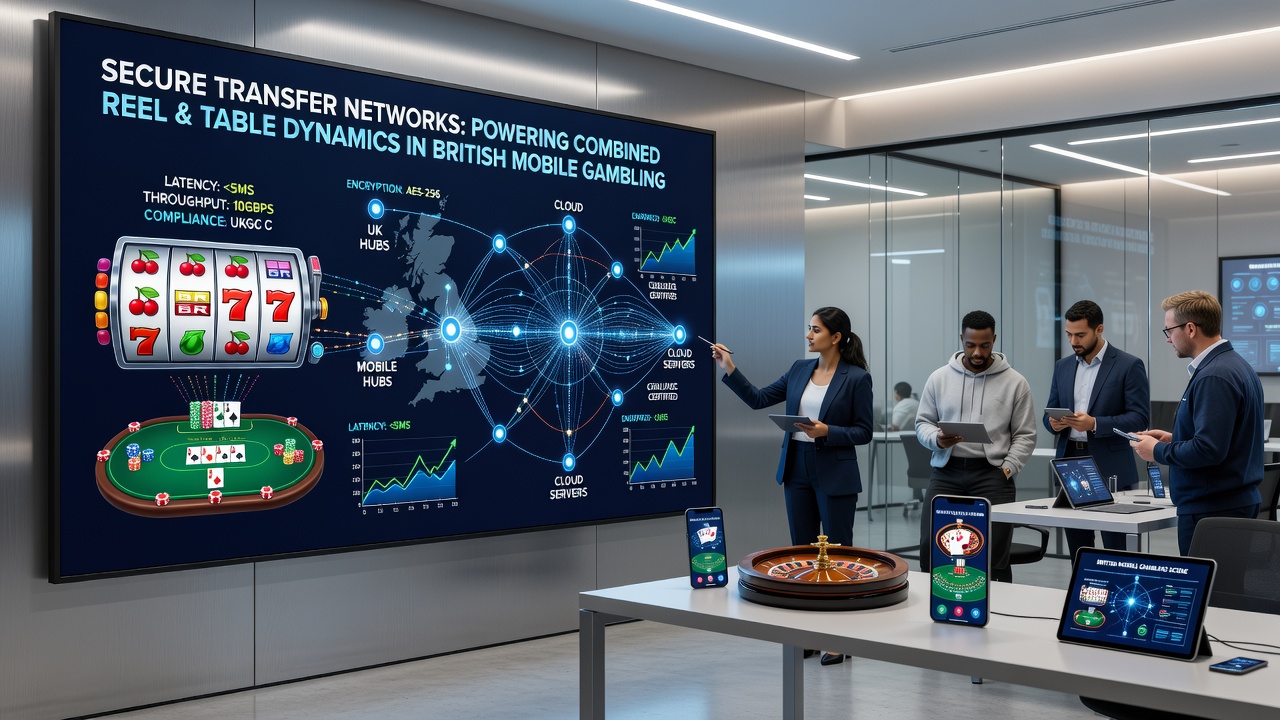
Secure transfer networks form the backbone of integrated mobile gambling experiences where slot reels and table games operate within unified platforms across Britain, and these systems rely on layered encryption protocols together with real-time verification layers that maintain transaction integrity during rapid switches between game types.
Data from industry reports shows that mobile sessions involving both reels and tables increased notably through 2025, with secure payment rails handling the underlying fund movements that allow players to move from spinning mechanics straight into live dealer environments without separate logins or balance transfers, and this integration depends on technologies such as transport layer security combined with tokenized authentication methods.
Technical Foundations of Secure Transfers in Mobile Gambling
Payment infrastructures use end-to-end encryption standards that protect card details and account information while supporting instant settlements between reel-based outcomes and table game wagers, whereas earlier systems often required manual reconciliation steps that interrupted play flow, but modern networks incorporate automated reconciliation engines that process multi-game sequences in milliseconds.
Researchers at institutions including the University of Nevada Reno documented how these networks reduce latency in cross-game transitions, and their findings highlight that average session continuity improved when secure sockets layered with blockchain verification replaced legacy batch processing methods.
Integration Patterns Between Reels and Tables
British mobile operators deploy unified wallets that interface directly with both slot engines and table management systems, which means a single secure transfer can fund a reel spin sequence followed immediately by a blackjack hand or roulette bet, and observers note that this setup eliminates the friction once associated with separate funding channels for different game categories.
In July 2026 several platforms reported expanded use of these combined dynamics after updates to their backend transfer protocols, allowing players to maintain continuous engagement across reels featuring cascading symbols and table environments with live dealer streams, while the networks simultaneously log each movement for compliance auditing without adding perceptible delays.
Regulatory and Security Compliance Elements
European regulatory frameworks require that transfer networks undergo regular penetration testing and maintain certifications such as PCI DSS Level 1, which ensures that data flows between reel servers and table game providers stay isolated from external threats, and these standards apply uniformly whether the activity occurs on slots with progressive jackpots or on card-based table variants.
Figures released by the European Gaming and Betting Association indicate that adoption of multi-factor authentication within transfer networks rose steadily through mid-2026, correlating with fewer reported incidents of unauthorized access during hybrid reel-table sessions, and this trend reflects broader industry shifts toward zero-trust architectures.
Player Experience and Operational Impacts
Those who study mobile gambling patterns find that secure transfer capabilities encourage longer engagement periods because users no longer encounter interruptions when moving between mechanical reel features and strategic table decisions, and the networks achieve this by pre-authorizing micro-transactions that settle only after game resolution completes.
Case examples from platform operators demonstrate that integration of these systems coincided with measurable upticks in cross-category play, where participants who began on reels frequently transitioned to tables within the same session without exiting the application, and the underlying protocols handle currency conversion alongside game-type switches when required.
Future Developments in Network Capabilities
Emerging standards around quantum-resistant encryption are entering testing phases for gambling transfer networks, which would further safeguard combined reel and table operations against evolving computational threats, while current implementations already support API-driven connections that let third-party providers link additional game modules without compromising existing security perimeters.
Academic papers from research groups in Canada and Australia have examined similar architectures in their respective markets, revealing parallel gains in session retention when secure rails underpin multi-format mobile offerings, and these insights suggest continued refinement will focus on reducing energy consumption during high-volume transaction periods.
Conclusion
Secure transfer networks continue to underpin the operational viability of combined reel and table dynamics within British mobile gambling environments by delivering encrypted, rapid fund movements that support seamless gameplay transitions, and ongoing advancements in protocol design alongside regulatory alignment point toward sustained expansion of these integrated experiences through the remainder of 2026 and beyond.