19 May 2026
Transaction Security Enhances Progression Pathways in Reel-Based Gaming from Trial to Live Environments
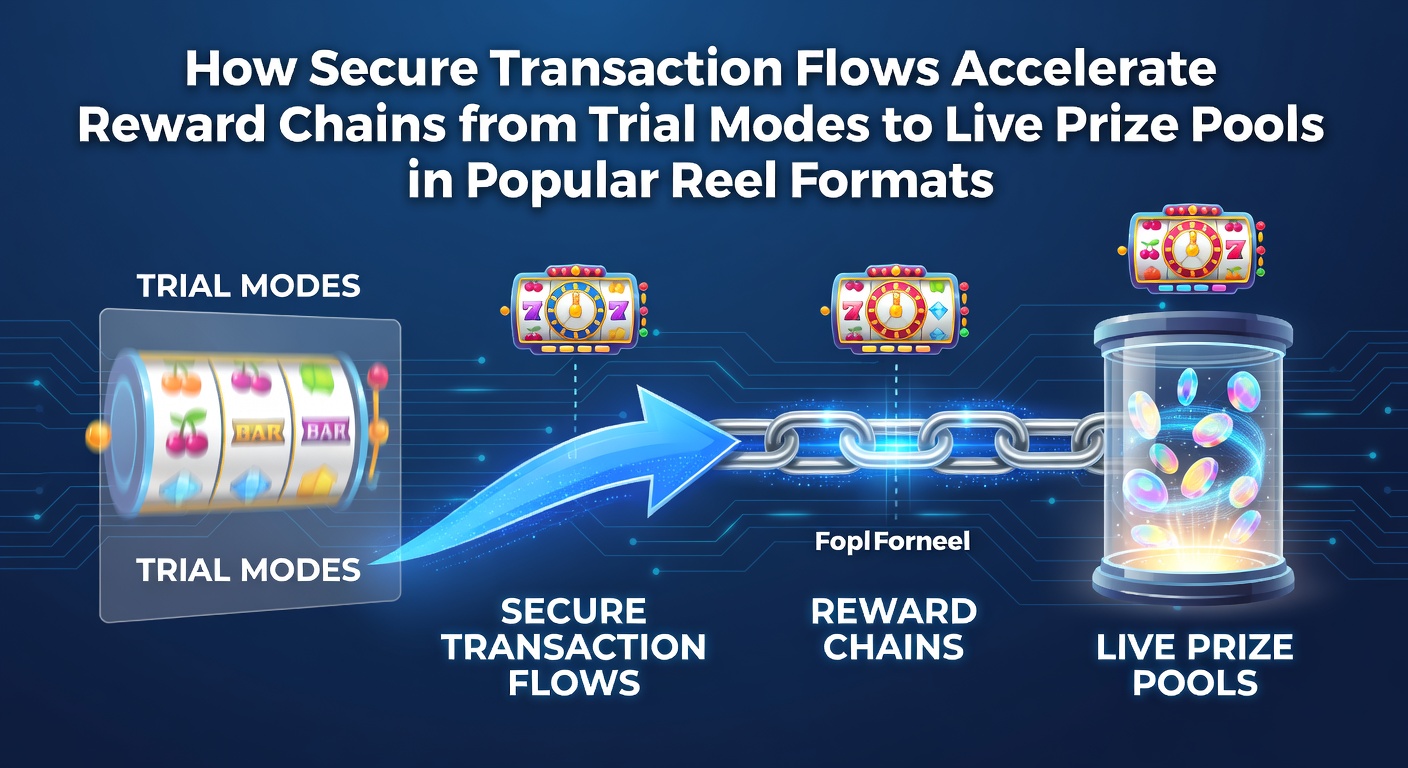
Secure transaction systems now connect practice environments directly to active prize structures in popular reel games, allowing users to move between modes without repeated verification steps. These networks rely on encrypted verification layers that confirm account details once, then reuse those credentials across trial sessions and funded play. Data from industry monitoring groups shows that such setups reduce average transition times by several minutes per session, particularly in formats where rapid bonus access matters most.
Core Mechanics of Secure Flow Integration
Payment gateways designed for gaming platforms incorporate multi-factor checks at the initial deposit stage, after which reward chains activate automatically when users switch from trial reels to live ones. This process uses token-based authentication that persists across devices, so players avoid re-entering card or wallet information each time they test new mechanics and then commit funds. Observers note that the same infrastructure supports instant credit of winnings back into linked accounts, maintaining momentum in progressive prize builds common to many contemporary slot titles.
Research indicates that platforms employing these layered security protocols experience higher completion rates for reward sequences, because interruptions from failed verifications drop significantly. In May 2026 several major providers rolled out enhanced API connections that link demo tracking systems with real-time balance updates, creating a continuous data loop between free spins earned in practice and their equivalents in paid rounds.
Impact on Popular Reel Formats
Many widely played reel structures, including cascading symbol setups and multiplier ladders, benefit when secure channels allow seamless carry-over of progress indicators. Players who complete certain trial objectives receive corresponding advantages in live prize pools without manual claims, because the backend already validated the account through the initial secure deposit. This linkage proves especially useful in games that feature escalating jackpot paths, where early trial engagement feeds directly into funded participation metrics.
Figures from regulatory filings in North America reveal that operators using these integrated flows report steadier player retention across both modes. The Nevada Gaming Control Board documentation highlights how standardized security requirements for transaction logging help prevent duplicate entries while supporting smooth shifts between practice and real-stakes environments.
Technical Components Driving Acceleration
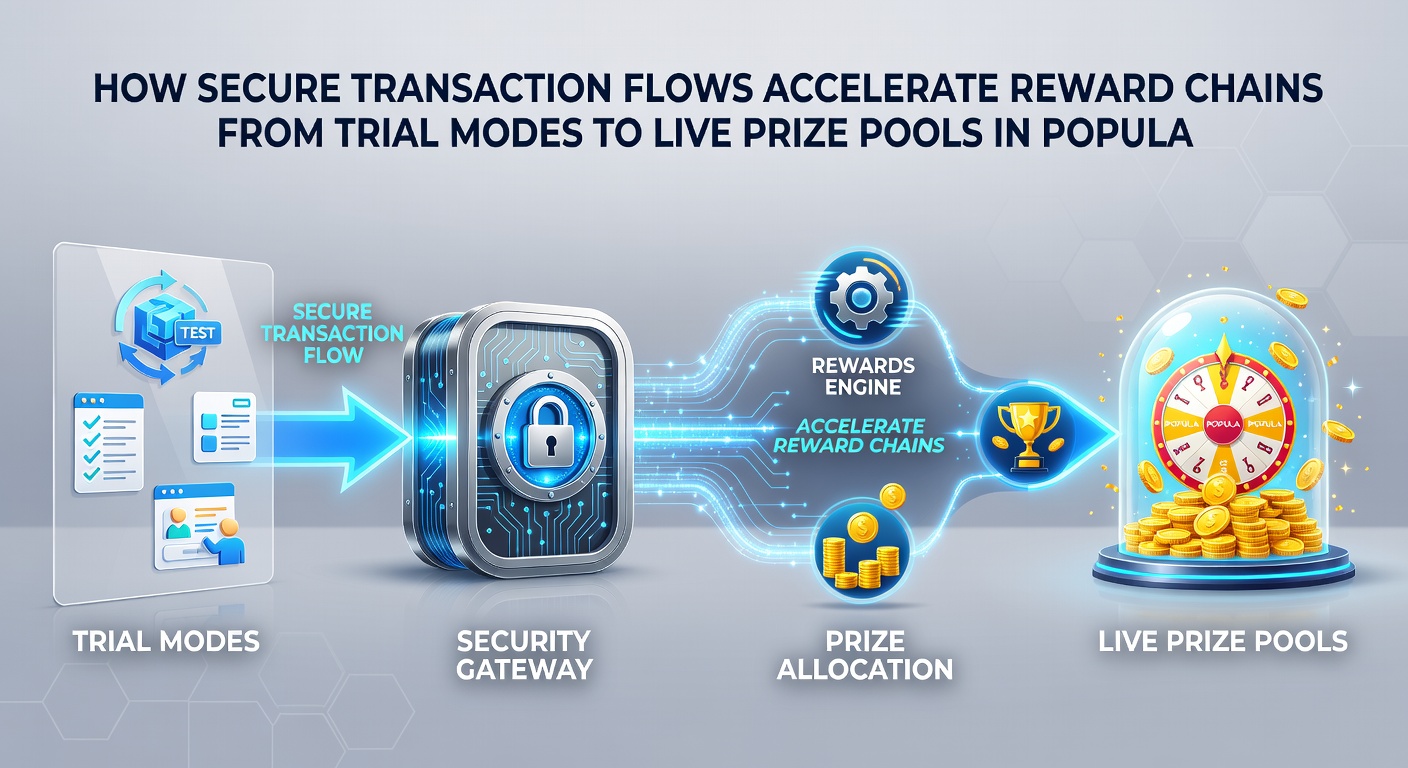
Encryption standards combined with real-time risk scoring form the backbone of these systems, evaluating each transaction against historical patterns before approving the move to live prize eligibility. When a user deposits after completing a trial sequence, the system recognizes prior activity and applies any earned multipliers without additional processing delays. This approach keeps reward chains intact, so free spin accumulations from demo play transition into active bonus rounds on the live reels.
What's interesting is how mobile-optimized versions of these flows have expanded access, since many users begin on free modes via apps and then fund accounts directly from the same interface. Industry reports from the European Gaming and Betting Association point to increased adoption of such unified security frameworks across international markets, noting reduced friction in prize pool entries as a measurable outcome.
Regional Patterns and Data Trends
Across different jurisdictions, adoption rates vary yet show consistent patterns where secure transaction layers shorten the gap between trial engagement and live participation. Australian regulatory summaries from the past year document similar improvements in session continuity when payment providers integrate directly with game servers. Those who've examined the metrics often find that reward chains accelerate most noticeably in titles with frequent small prize triggers, because quick deposits keep players inside the same bonus cycle.
One study revealed that platforms with end-to-end encrypted flows saw a measurable rise in conversions from demo users to active prize pool contributors, especially during periods when new reel formats launched with enhanced jackpot features. The connections between verified deposits and immediate bonus activation create pathways that feel uninterrupted to the end user, even though multiple security checks occur in the background.
Future Developments in Reward Linkages
Developers continue refining these systems to handle larger volumes of simultaneous transitions while preserving security integrity. As of May 2026, several providers introduced optional biometric confirmations that further speed up the shift from trial modes to funded prize pursuits without adding extra steps for returning users. Such updates maintain the integrity of reward chains by ensuring that progress earned in practice modes carries forward once the secure deposit clears.
University-led analyses of gaming transaction data have begun exploring how these secure pipelines influence overall prize distribution patterns, particularly in formats that combine multiple reel mechanics with shared progressive pools. The findings suggest that faster, verified pathways correlate with steadier participation rates across both casual and committed player segments.
Conclusion
Secure transaction frameworks now serve as the connective tissue between trial experiences and live prize opportunities in reel gaming, enabling reward chains to operate without repeated barriers. Data from multiple regulatory and industry sources confirms that these integrations support quicker movements through bonus stages while upholding verification standards. As platforms refine these connections further, the pathways from free reel trials to active jackpot pools continue to shorten in measurable ways across popular formats.